


Latest research findings
26
May
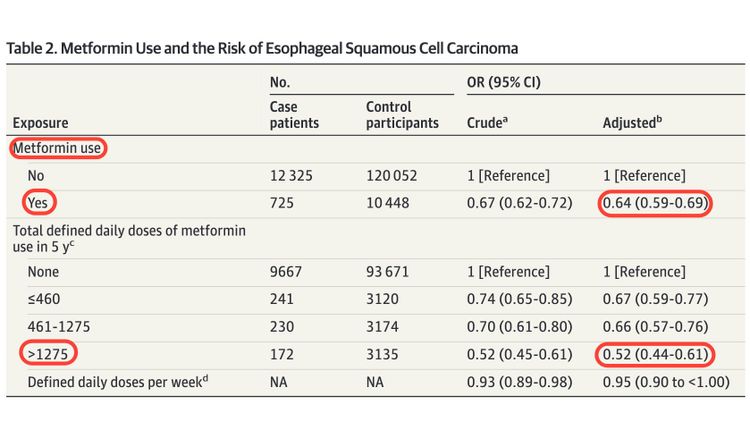
Metformin and reduced risk of esophageal squamous cell carcinoma
This population-based multinational case-control study across all five Nordic countries found that metformin use was associated with a
2 min read
13
May
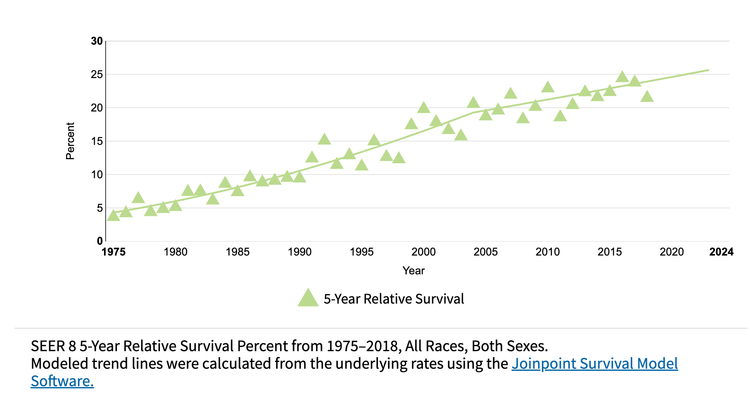
Survival after esophageal cancer diagnosis continues to improve
The U.S. National Cancer Institute recently released new data and analyses from the national SEER program of population-based
1 min read
07
May

Coal smoke and risk of dying from esophageal and stomach cancer
While smoking and alcohol intake are the major causes of esophageal squamous cell carcinomas in most populations, exposure to environmental
3 min read
28
Feb
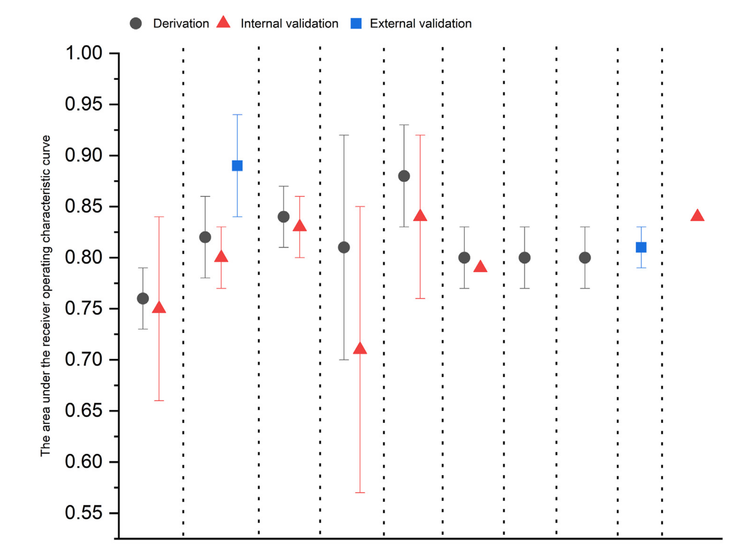
Predicting risk of esophageal adenocarcinoma
This systematic review from investigators at the Karolinska Institute and Fujian Medical University evaluates nine risk prediction models from seven
2 min read
05
Dec
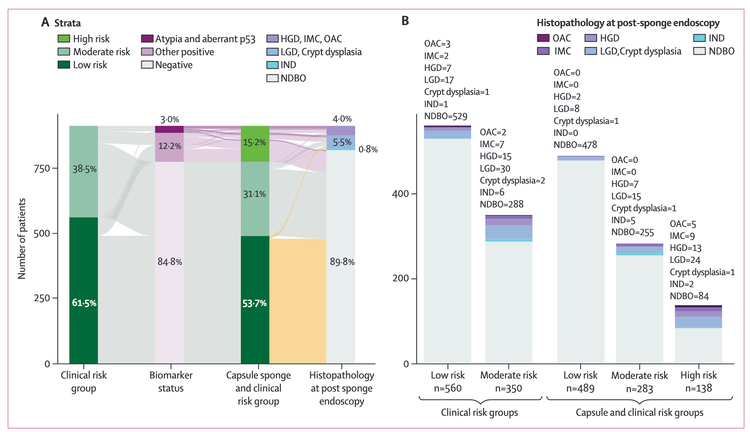
Capsule sponge, biomarkers and AI in risk classification of Barrett's esophagus
This paper describes findings from a multicenter prospective study conducted across 13 hospitals in the UK. Participants were patients (n
3 min read
11
Nov

Esophageal cancer - fast facts
The Fred Hutch Cancer Center (Seattle, WA) concisely presents helpful information on causes, symptoms and treatment options for both types
27
Oct
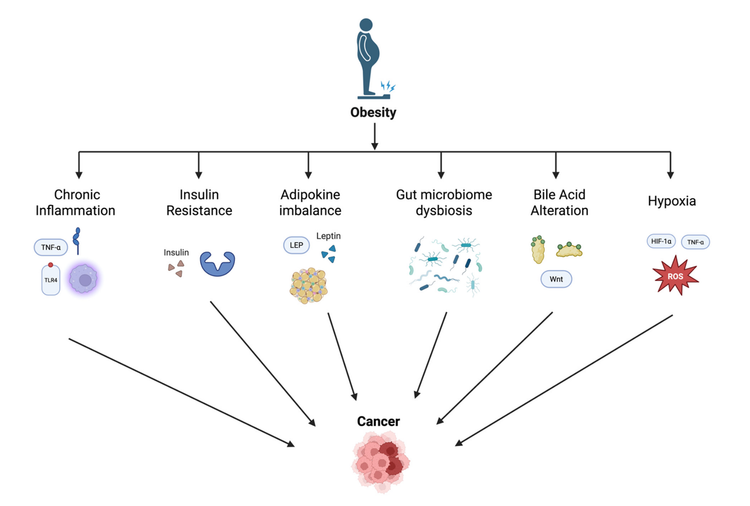
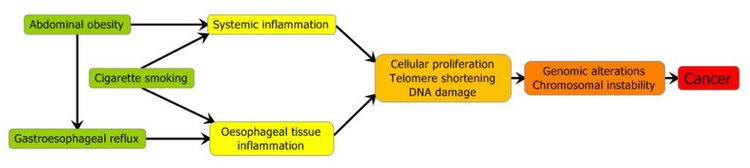
Oncogenic burden of obesity
This article provides a mechanistic framework relating obesity to increased risk of a number of gastrointestinal cancers, including esophageal adenocarcinoma.
2 min read
17
Sep
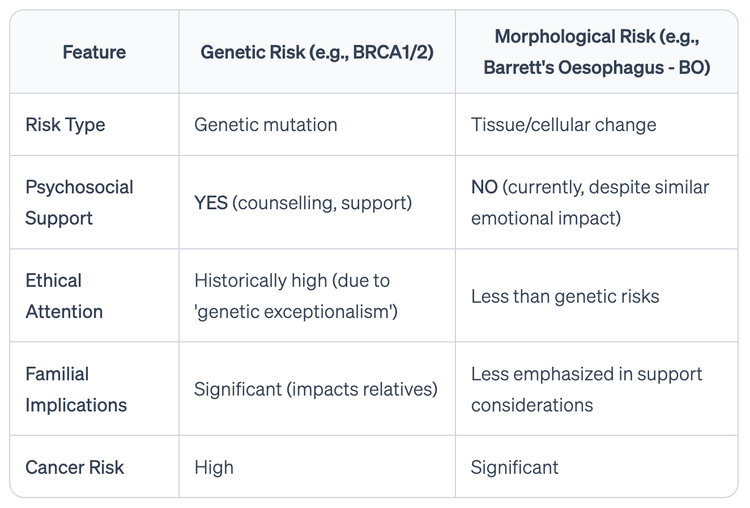
Why Don't We Get Counseling?
This article addresses an interesting question: why are Barrett's esophagus patients not offered specialist counseling in much the
2 min read
21
Jul

Hot beverage intake and risk of esophageal cancer - a large prospective study in the UK
Drinking very hot beverages has long been suspected of causing esophageal squamous cell carcinoma through thermal injury; the International Agency
2 min read
08
Jul
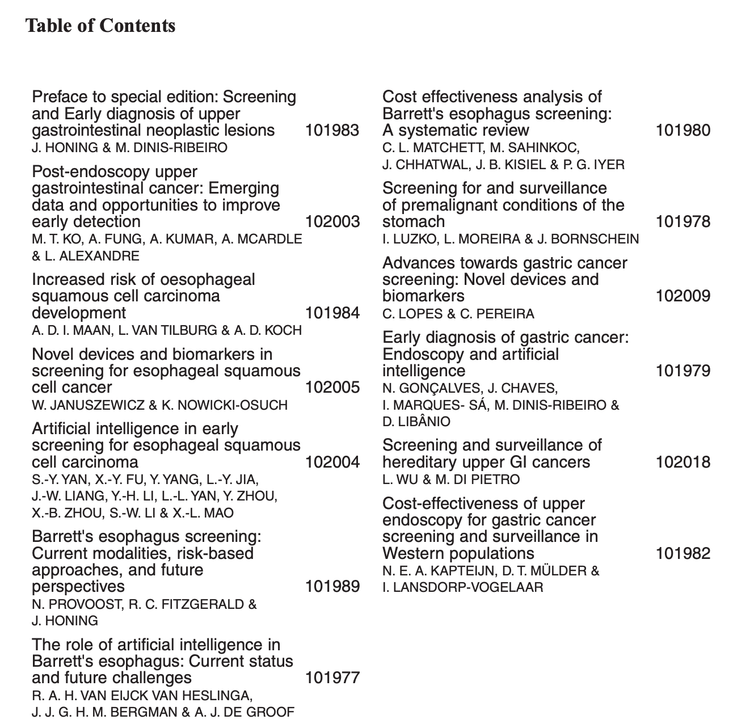
Screening and early diagnosis of upper GI neoplastic lesions: dedicated journal issue
The journal "Best Practice & Research Clinical Gastroenterology" has dedicated an entire issue toward research on the secondary